

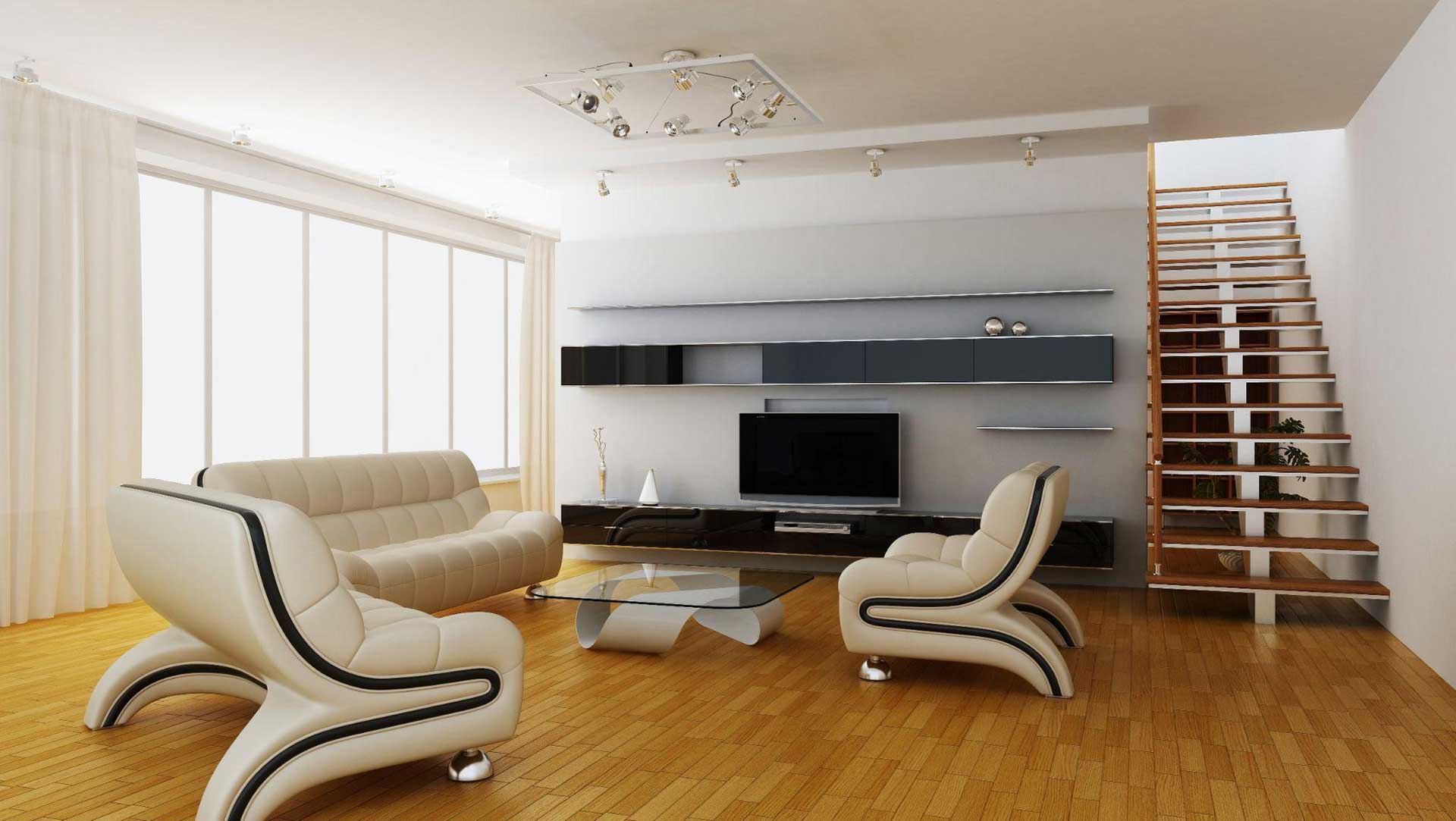
On the Front Range, basements do double duty. They’re playrooms, guest suites, home gyms, and in plenty of cases, the main TV room. They also sit below grade on concrete that can stay cool and occasionally damp, especially after a wet spring or a heavy snowmelt. Choosing flooring down there isn’t just about style; it’s about staying comfortable and protected in our semi-arid, four-season climate.
Below are basement-friendly options we specify often for homes across the Denver Metro Area, and what to consider before you lock anything in.
What “Waterproof” Really Means in a Colorado Basement
Basements here live in a strange middle ground. Denver’s air is very dry, but concrete slabs can still transmit moisture vapor, and older homes in areas like Arvada may have minor seepage after storms. That’s why the first step is always assessing moisture, not just picking a pretty plank.
Our design team looks at how each material handles three things: vapor coming through the slab, occasional spills, and long-term contact with damp air. If you want a deeper primer on how construction, subfloors, and moisture all interact, the overview on flooring basics for Colorado homes explains the building science in more detail.
Key idea: Below grade, you’re aiming for materials that are either fully waterproof or at least highly moisture-resistant, paired with proper underlayment and expansion details.
Luxury Vinyl Plank: The Workhorse for Finished Basements
For many Front Range basements, rigid-core luxury vinyl plank ends up as the most balanced choice. It gives you the look of wood without asking you to worry about a spilled drink, a pet accident, or a humid week in July.
We like products specifically engineered as waterproof luxury vinyl flooring because their cores don’t swell when exposed to moisture, and most lines include integrated underlayments that soften the feel underfoot. That’s helpful when you’re installing directly over a cool concrete slab.
If you’re finishing a family room or home theater, wood-look patterns keep the space feeling warm but still handle the mud from kids coming in from the yard or snow gear dropped by the stairs. For trade partners designing multi-room lower levels, floating LVP also simplifies transitions across large areas with a lot of movement joints.
Tile and Stone-Look Surfaces for High-Moisture Zones
In some basements, especially those with walk-out doors or utility areas, you may want materials that are essentially impervious to standing water. Porcelain tile shines here because it doesn’t absorb moisture and tolerates temperature swings when paired with the right setting materials.
When clients plan a basement bath, laundry, or bar area, we often pull from porcelain tile collections that handle freeze-thaw and moisture, then soften the space with area rugs where bare feet land most often. If you prefer a more organic feel, certain natural stone flooring options can work below grade as well, provided we address sealing and slip resistance.
Many newer homes in places like Broomfield include radiant floor heating in basement slabs. Tile and stone pair beautifully with these systems, storing and radiating heat so the space feels comfortable year-round rather than chilly on winter mornings.
When Carpet Still Makes Sense Below Grade
Even in a city with 300+ sunny days, basements can feel cool, and sometimes you simply want softness underfoot. Carpet isn’t waterproof, but used strategically it can be a smart choice in drier, well-managed basements—especially bedrooms and media rooms where acoustics matter.
The key is pairing moisture-tested concrete, a breathable pad, and fibers that dry quickly. If you’re weighing options like nylon, polyester, or triexta for a lower level, the guide to carpet material performance and care can help you understand how each responds to spills and regular cleaning.
To keep the most vulnerable areas protected, we’ll often combine carpet in the main seating zone with luxury vinyl or tile at exterior doors, stair landings, and around wet bars or sinks.
Getting the Right Mix for Your Front Range Basement
Every basement has its own quirks: older foundations in central Denver, newer construction along the north corridor, walk-outs versus fully below-grade spaces. With more than 30 years in the industry, Roomscape Studios Ltd approaches lower-level projects as whole environments, not just square footage to cover.
If you’re ready to turn a concrete basement into a true living space, our project specialists can help you compare waterproof planks, tile, and carpet combinations, then build a plan that fits your home and how you live. You can start the process by requesting a free basement flooring design consultation and estimate.