

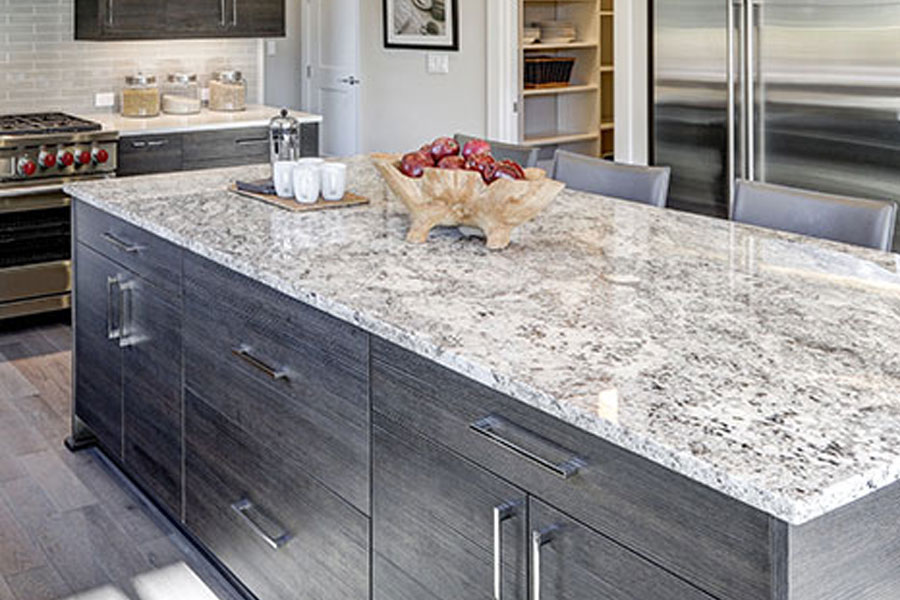
Picture a school morning in your kitchen: breakfast dishes, lunch prep, a soccer water bottle leaking on the island, and someone setting a hot pan down without thinking. In a Colorado home, your countertops have to handle all of that plus dry air, intense sun, and big temperature swings. For most families, the choice narrows quickly to quartz or granite, and the right answer comes down to how you actually live.
How Quartz Behaves in Busy Colorado Kitchens
Quartz is an engineered surface made from ground stone and resins, which creates a consistent, nonporous slab. In a family kitchen, that means spilled juice, tomato sauce, or coffee sit on the counter without instantly turning into a stain emergency. You still want to wipe things up, but you do not have to baby the surface the way you would with softer natural stones.
Because quartz is manufactured, brands like Caesarstone and PentalQuartz offer a wide range of colors and patterns that stay the same from slab to slab. That consistency helps when we are pairing countertops with custom kitchen cabinet designs and flooring in an open-concept plan. You can commit to a specific look and know it will repeat cleanly across a large island and perimeter runs.
Colorado’s low humidity also plays to quartz’s strengths. The resins do not dry out the way unfinished wood might, so you avoid seasonal movement or hairline cracks from the dry air. The tradeoff is heat: setting a 400-degree Dutch oven directly on quartz can damage the resin binder over time, so families who cook heavily need to build in habits like trivets near the range.
Granite’s Strengths in Colorado’s Dry, Sunny Climate
Granite is a natural stone, cut and polished from the quarry. Every slab carries unique veining and mineral movement, which appeals to homeowners who want their Denver-area kitchen to feel one-of-a-kind. That individuality is especially striking in Boulder and other design-forward communities where natural materials are part of the aesthetic.
As a work surface, granite handles heat better than quartz and shrugs off most knife contact, though any stone can dull blades and should not replace a cutting board. In Colorado’s dry climate, you also see fewer issues with moisture intrusion, provided the surface gets sealed on a reasonable schedule. Many of the granite and other natural stone options we specify for family kitchens balance durability with rich, organic character.
UV exposure is one area where granite often outperforms quartz. Engineered surfaces can fade or yellow slightly next to large south-facing windows over many years, while most darker granites remain stable. When a kitchen has a wall of glass or a skylight, we often combine granite with window treatments that help filter Denver’s strong sun to protect every surface in the room.
Maintenance, Messes, and How Your Family Actually Uses the Space
For most Colorado families, maintenance and daily messes are where the quartz-versus-granite decision becomes clear. Quartz never needs sealing, and its nonporous surface makes it easier to keep bacteria at bay, which matters when kids are doing homework at the island while you prep dinner. Busy Arvada or Littleton households who want to wipe, rinse, and move on tend to lean toward quartz for that reason.
Granite does ask for more attention, but not as much as many people fear. Modern sealers can last several years in a normal kitchen, especially in our semi-arid climate. The key is choosing the right finish and understanding how often your specific stone needs resealing, which is something we walk through during a countertop-focused design consultation. Families who love natural variation and do not mind a simple care routine often find granite very manageable.
Both materials can support undermount sinks, waterfall edges, and oversized islands that double as homework zones, baking stations, and casual dining spots. With more than 30 years of experience, we often start by mapping how your family actually moves through the room, then narrow down quartz and granite choices from brands like Cambria, MSI, and Arizona Tile using our featured countertop brand lineup.
Choosing the Right Surface for Your Colorado Kitchen
In the end, quartz typically wins for low-maintenance, stain-resistant family kitchens where consistency and easy cleaning matter most. Granite remains a strong choice when you want natural drama, extra heat tolerance, and are comfortable with periodic sealing. Both can anchor a full remodel that coordinates cabinets, flooring, and lighting into a cohesive space that fits Colorado’s climate and your daily routine.
If you are planning a kitchen update in the Denver Metro Area and want help comparing real samples in your own light, you can learn what is included in a free design-driven countertop estimate from Roomscape Studios Ltd and schedule a consultation with our project specialists.