

You chose luxury vinyl for all the right reasons. It shrugs off spills, stands up to pets, and delivers the warmth of wood without the humidity headaches that plague solid hardwood across the Front Range. But even the most resilient floor benefits from care calibrated to where you live — and Colorado's high-desert conditions create a set of challenges most national maintenance guides never address.
Why Colorado's Climate Demands a Different Approach to Floor Care
At 5,280 feet, the air is thin and relentlessly dry. Indoor humidity in Denver-area homes routinely dips below 30 percent, especially during winter when forced-air heating runs for months. That level of aridity pulls moisture from everything — including the wear layer of your flooring. Over time, low humidity can cause minor contraction at seams and generate static buildup that attracts more dust than you would see in more humid regions.
Then there is the sun. With 300-plus days of sunshine annually, ultraviolet exposure through windows gradually fades flooring surfaces and raises surface temperatures well above ambient room conditions. Luxury vinyl handles these extremes better than most materials, but the combination of UV, low moisture, and fine dust blowing in from the surrounding landscape means a standard maintenance routine needs a Colorado-specific calibration.
The Daily and Weekly Routine That Actually Matters
Start simple. Dry dust and grit act like fine sandpaper underfoot, so frequent sweeping or vacuuming with a hard-floor attachment is your first line of defense. Use a vacuum without a beater bar — those rotating brushes can micro-abrade the wear layer over time.
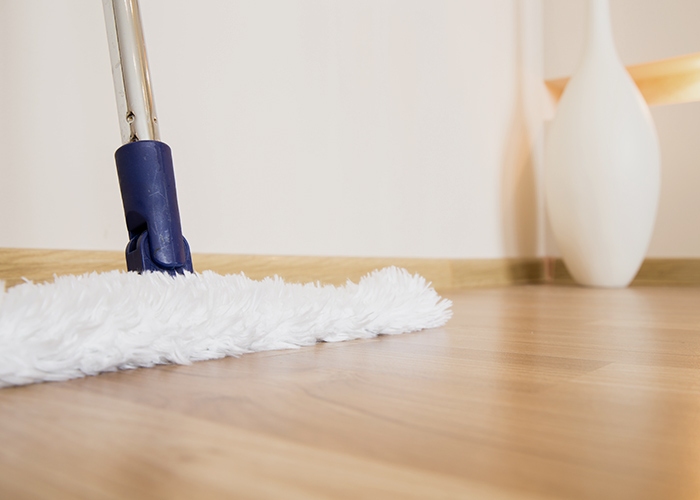
When it is time to clean, skip the steam mop. Steam forces heat and moisture into seams where neither belongs, potentially loosening the adhesive bond or penetrating click-lock joints. A damp microfiber mop with a pH-neutral cleaner formulated for luxury vinyl is all you need. Wring it until nearly dry. Standing water and overly wet cleaning pads are the fastest way to compromise the floor's structural layers, especially in Colorado homes where indoor air pulls that moisture down into the joints faster than you would expect.
For those still exploring which luxury vinyl planks and tiles best suit a dry-climate home, core construction matters. Rigid-core products with limestone composite backings resist the subtle expansion and contraction driven by 30-degree overnight temperature swings far better than flexible gluedown alternatives. A proper understanding of luxury vinyl construction helps you recognize which products carry a truly warranted waterproof core versus those with only a water-resistant surface treatment — a distinction that matters enormously below grade.
Seasonal Adjustments That Protect Your Investment
Winter in Boulder and Arvada means sealed windows and continuous heating systems pushing desert-dry air through every room. A whole-home humidifier set between 35 and 45 percent relative humidity benefits your LVP, your wood cabinetry, and your skin equally. If a built-in unit is not in the cards, portable humidifiers placed in larger living areas can make a measurable difference.
Spring brings its own considerations — namely, the fine silt that enters on shoes after snowmelt and wind gusts. Place walk-off mats at every exterior door and clean them regularly. Grit trapped under mat backing can scratch floors as effectively as the outdoor debris you are trying to keep out. If you are planning a whole-home flooring update, bringing samples to your space lets you see how different planks handle the light in your actual rooms — something showroom lighting can never replicate.
Summer monsoons introduce a brief humidity spike, but the real concern remains UV damage. Rotate area rugs seasonally to prevent uneven fading, and consider window treatments that filter UV light without sacrificing the mountain views. Sheer shades let you manage light levels while protecting your floors, and they complement the clean look of luxury vinyl beautifully.
When Your Floor Needs More Than Routine Care
Luxury vinyl is often marketed as waterproof, and the top layer is indeed impervious to spills. But in Colorado basements — common across the metro area — the threat comes from below. Concrete slabs transmit moisture vapor upward, and trapped humidity accelerates wear if the subfloor was not properly tested and sealed before installation.
If you notice planks cupping at the edges or seams gapping noticeably wider than when the floor was first installed, do not reach for a DIY fix. These symptoms often trace back to subfloor moisture or inadequate acclimation — conditions calling for a professional assessment rather than a quick patch. The right diagnosis early on prevents a minor issue from becoming a full replacement.
Every floor performs better when cared for with local conditions in mind, and luxury vinyl is no exception. The right humidity levels, the right cleaning tools, and an awareness of how altitude and sun exposure interact with your flooring will keep it looking sharp for years. If you are considering new LVP or want a professional eye on an existing installation, schedule a free design consultation to discuss materials, climate considerations, and the full scope of your project with a specialist.